You want to bring three generations, your energetic teenagers, yourself, and your aging parents, on an African safari. Or perhaps you are a “silver splitter,” a senior solo traveler ready to explore the continent on your own terms. But the logistics are terrifying. What if the luxury tent is perched atop 50 steep wooden steps? What if the safari vehicle requires a ladder to board? What if a medical emergency happens three hours from the nearest paved road?
Most tour operators gloss over these critical details. They slap a generic “accessible” label on an itinerary because a lodge built a single wooden ramp. They ignore the 45-degree incline of that ramp, the lack of roll-in showers, and the bone-jarring dirt roads that shatter fragile spines. For travelers with mobility aids, bad knees, or limited stamina, a single miscalculated terrain feature can instantly ruin the trip of a lifetime.
Stop relying on glossy brochures. Designing safe, comfortable uganda safari packages for elderly and mixed-mobility groups requires ruthless logistical auditing. Having physically assessed the infrastructure of East Africa’s premier destinations, I evaluate camps not on their thread count, but on their risk mitigation.
Here is the unvarnished truth about navigating Uganda with physical limitations, anchored by our proprietary Lodge Mobility Matrix.
The Proprietary Lodge Mobility Matrix
Standard accessibility laws do not apply in the African bush. A “wheelchair-accessible” room often still features a three-inch lip in the bathroom doorway. To build truly viable uganda safari packages for silver travelers, you need granular data.
Below is an excerpt from our master 20+ Lodge Mobility Database, detailing the exact physical infrastructure of Uganda’s most popular safari accommodations.
| Lodge & Location | Path to Main Area | Stair Count (Room to Dining) | Shower Type | Medical Evacuation Distance (Airstrip) | Overall Mobility Rating |
| Mweya Safari Lodge (Queen Elizabeth NP) | Flat, paved walkways. | 0 (in specific accessible ground-floor rooms). | Roll-in shower with grab bars available. | 15 minutes to Mweya Airstrip. | Excellent. The benchmark for savannah accessibility. |
| Paraa Safari Lodge (Murchison Falls NP) | Ramped access, elevators available. | 0 (using elevator). | Step-over tub/shower combo (requires caution). | 25 minutes to Pakuba Airstrip. | Strong. Great layout, but bathroom fittings need specific requests. |
| Sanctuary Gorilla Forest Camp (Bwindi) | Packed dirt, slight inclines. | 3-5 wide, low-grade steps to tents. | Walk-in (no lip), seat available on request. | 90 minutes to Kihihi Airstrip. | Moderate. Excellent for the terrain, but it is still a high-altitude rainforest. |
| Apoka Safari Lodge (Kidepo Valley NP) | Raised wooden boardwalks. | 2-4 steps per room. No ramps. | Outdoor, stone-floor showers (uneven). | 10 minutes to Apoka Airstrip. | Challenging. Breathtaking, but heavily relies on physical stamina. |
| Chimp Craig Lodge (Kibale Forest) | Steep, multi-level terracing. | 40+ steps depending on cottage. | High step-over tubs. | 60 minutes to Kasese Airstrip. | Poor. Avoid for anyone with knee or cardiac issues. |
| Nile Safari Lodge (Murchison Falls NP) | Boardwalks with gentle ramps. | 0 steps to specific family suites. | Wide walk-in, non-slip flooring. | 25 minutes to Bugungu Airstrip. | Excellent. Luxury blended seamlessly with flat navigation. |
| Ndali Lodge (Fort Portal) | Built on a crater rim. | High. Multi-tiered garden paths. | Deep tubs, minimal grab bars. | 75 minutes to Kasese. | Poor. Stunning views, but a logistical nightmare for mobility aids. |
Structuring the Itinerary: Pacing and Access
Multigenerational travel fails when the itinerary mimics a military deployment. Waking up at 5:00 AM every day and bouncing inside a Land Cruiser for eight hours will break the morale of both a 75-year-old and a 12-year-old.
1. The 3-Night Minimum Rule
Never book one-night stays. Packing, unpacking, and transferring between parks consumes physical energy. Anchor your uganda safari packages with a minimum of three nights per location. This allows the silver splitters to skip a grueling morning game drive and enjoy the lodge pool, while the younger generation tracks lions.
2. Vehicle Modifications
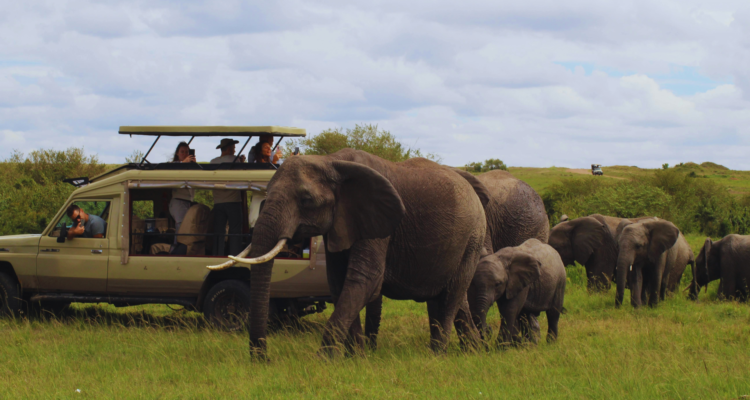
Do not accept standard fleet vehicles. Demand a customized 4×4 Land Cruiser equipped with:
- A stable boarding step: Or a portable, heavy-duty mounting block.
- Enhanced suspension: Upgraded shocks to absorb the rutted terrain of Murchison Falls or Kidepo.
- Unrestricted window access: Ensure the vehicle is not packed to capacity. A senior traveler must have a window seat to stretch their legs without climbing over luggage or other passengers.
3. AMREF Flying Doctors
Risk mitigation is paramount. Every premium safari package must include mandatory AMREF Flying Doctors enrollment. This is not standard travel insurance. AMREF operates a fleet of air ambulances specifically for bush rescues. If a senior traveler suffers a cardiac event or a severe fall, a helicopter or light aircraft evacuates them directly to Nairobi’s top-tier medical facilities. Do not enter the bush without this coverage.
The Sedan Chair Solution: Gorilla Trekking for Seniors
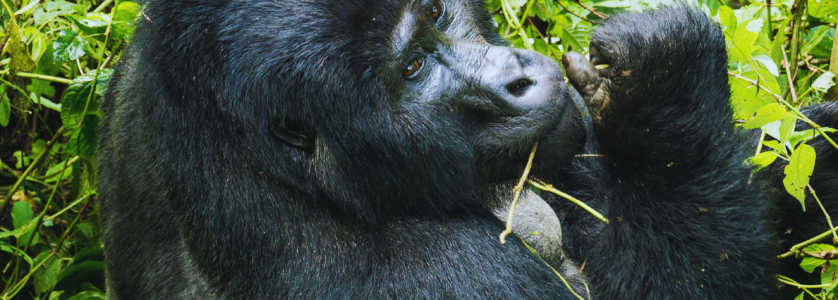
Can an 80-year-old with double knee replacements track mountain gorillas in Bwindi Impenetrable Forest? Yes.
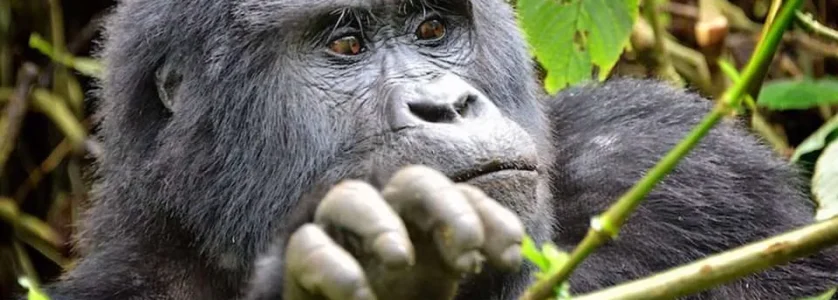
Many assume primate tracking is exclusively for the hyper-fit. While the terrain is undeniably brutal, involving steep muddy ravines and dense vegetation, Uganda offers a localized solution: The Sedan Chair (often called the “Helicopter”).
For an additional fee (ranging from $300 to $500), you hire a team of 12 dedicated local porters. They carry the traveler on a custom-built stretcher chair directly into the jungle. The porters navigate the thicket, rotating shifts, until they reach the gorilla family. The traveler is then carefully lowered to the ground to spend their hour with the primates before being carried back to the trailhead. It is a massive equalizer, allowing grandfathers to share a once-in-a-lifetime experience with their grandchildren without risking catastrophic injury.
Designing accessible travel in East Africa is an exercise in meticulous vetting. Ignore the marketing fluff. Demand exact stair counts, verify medical evacuation routes, and build itineraries that prioritize comfort over speed. When executed correctly, the African bush is open to everyone.
Frequently Asked Questions
Are there paved roads in Uganda’s national parks?
Very few. The vast majority of roads inside the parks are corrugated dirt or gravel. This makes for a “free massage” as locals joke, but it can be excruciating for travelers with spinal issues. We mitigate this by booking short internal bush flights between parks rather than driving cross-country.
Can I bring my own motorized wheelchair on a safari?
It is highly discouraged. Motorized wheelchairs are too heavy to lift into light aircraft or safari vehicles, and the internal batteries pose massive logistical issues. Furthermore, lodge boardwalks and dirt paths will ruin the motors. Rely on a rugged, manual, collapsible wheelchair with thick pneumatic tires.
What happens if someone needs to use the bathroom during a game drive?
This is a critical concern for senior travelers. There are designated bathroom facilities at park gates and certain picnic spots, but out in the savannah, options are limited. Our guides are trained to find safe, visually shielded “bush toilet” spots. Let your outfitter know about frequency needs in advance so the guide can map the drive near actual facilities.
Is it safe for a senior traveling alone (a Silver Splitter) to book a custom safari?
Absolutely. Uganda is highly hospitable. For solo senior travelers, we assign a dedicated private guide who acts as a driver, spotter, and logistical assistant. This ensures you never have to carry your own bags, navigate airports alone, or struggle with vehicle boarding.