Booking a uganda safari tour is an incredible milestone, right up until you realize your life depends on a fragile vial of insulin remaining exactly between 2°C and 8°C. You are heading into remote wilderness. The midday equatorial sun routinely pushes vehicle cabin temperatures past 35°C.
The anxiety is completely justified. Out in the African bush, a single broken link in the cold chain is not just an inconvenience, it is a catastrophic medical emergency.
Most travel agents do not understand off-grid power dynamics. They assume a luxury tent includes a 24/7 refrigerator. They tell you the kitchen can “accommodate gluten-free” without understanding that the chef bakes flour-dusted bread on the exact same counter where they chop your vegetables. If you rely on temperature-sensitive medications or strict celiac protocols, generic advice will get you hospitalized.
Having audited the physical infrastructure of East Africa’s most remote camps, I evaluate lodges based on grid resilience and kitchen isolation, not just thread counts. Here is the unvarnished logistical blueprint for securing your medical and dietary safety off the grid.
The Off-Grid Power Reality: Generators vs. Solar Banks
You cannot assume continuous power during uganda safaris & tours. The infrastructure of a luxury lodge falls into two distinct categories, and knowing the difference dictates how your medication survives.
- The Generator-Only Camp: These lodges run massive diesel generators, but only during specific hours (typically 6:00 AM to 9:00 AM, and 6:00 PM to 10:30 PM). When the generator shuts off, the power to your room dies. If you leave insulin in your room’s mini-fridge, it will heat up by 2:00 AM.
- The 24/7 Solar / Battery Inverter Camp: Modern eco-lodges utilize massive solar arrays feeding into industrial battery banks. These provide uninterrupted 24-hour power to low-draw appliances like medical mini-fridges, making them the only universally safe option for in-room storage.
The Lodge Power & Refrigeration Matrix
I developed this proprietary matrix to map exactly which camps can sustain a medical cold chain and strictly isolate dietary allergens.
| Lodge & Location | Power Infrastructure | In-Room Cold Storage Reliability | Celiac / Allergen Kitchen Protocol | Overall Medical Logistics Rating |
| Bwindi Lodge (Volcanoes Safaris) | 24/7 Solar & Battery Bank | 100%. Continuous power to in-room medical fridges. | Dedicated prep stations. High awareness of cross-contamination. | Elite. The safest bet for severe medical needs. |
| Ishasha Wilderness Camp (Queen Elizabeth NP) | Hybrid (Solar + Scheduled Generator) | 0%. No reliable in-room fridges. Meds must go to the main kitchen gas fridge. | Excellent chefs, but small bush kitchen space. Requires direct chef briefing. | Moderate. Requires active management by the traveler. |
| Apoka Safari Lodge (Kidepo Valley NP) | Solar with Inverters | High. Reliable power, but extreme ambient daytime heat strains compressors. | High isolation standards. Will prepare sealed meals for transit. | Strong. But geographically remote for evacuations. |
| Ndali Lodge (Fort Portal) | Grid + Backup Generator | Variable. Power cuts happen. Main kitchen has reliable deep freezers. | Traditional kitchen layout. Celiac cross-contamination is a risk. | Poor. Not recommended for highly sensitive food allergies. |
| Nile Safari Lodge (Murchison Falls NP) | 24/7 Premium Solar Array | 100%. Dedicated, climate-controlled fridges in suites. | Exceptional. Dedicated utensils and cookware for allergy profiles. | Elite. Flawless execution of strict dietary mandates. |
Managing Insulin and Biologics in Transit
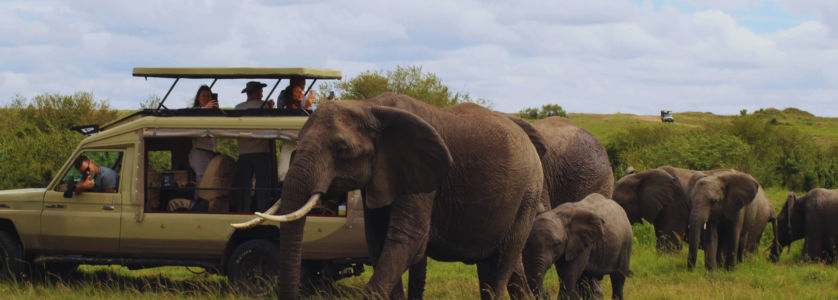
The weakest link in any cold chain is not the lodge; it is the transit. You will spend hours bouncing inside a 4×4 Land Cruiser traversing between national parks. Vehicle air conditioning is notoriously unreliable when engines overheat on steep dirt grades.
Execute this strict transit protocol:
- Do not rely on the lodge’s ice. Safari lodge ice melts rapidly. Bring commercial-grade, reusable freezer packs (like Yeti Ice or Arctic Ice) and mandate the camp manager freeze them in their industrial deep-freezer overnight.
- Deploy redundant cooling. Place your medication inside a water-activated Frio cooling wallet. Place that wallet inside a vacuum-sealed, hard-sided cooler (like a Yeti Hopper Flip).
- The Cabin Rule: Never put medical coolers in the rear luggage compartment or strapped to the roof rack. The cooler stays on the floorboard of the cabin, directly beneath the AC vent, shielded from direct sunlight by a jacket.
Surviving the Bush Kitchen: Celiac and Anaphylaxis
When booking uganda tours and safaris, the phrase “we cater to dietary restrictions” usually means they will serve you fruit instead of cake. That is not enough for an autoimmune disease.
Bush kitchens are small, hot, and highly active. Flour is airborne. Cooking oil is reused.
How to audit your meals:
- Demand a direct briefing. Do not pass your dietary needs through the waiter. On arrival, politely demand a five-minute meeting with the Head Chef.
- Translate the severity. Explain that a crumb of bread will not cause a stomach ache; it will trigger a medical evacuation. Hand the chef a laminated card written in both English and Swahili detailing your exact allergies and the concept of cross-contamination (e.g., Do not use the same knife to cut my meat that cut the bread).
- Bring emergency calories. Always pack vacuum-sealed, calorie-dense emergency rations (e.g., certified gluten-free protein bars or meal replacement powders) in your luggage. If you arrive at a remote camp and feel the kitchen does not grasp the severity of your allergy, skip the meal and eat your rations. Never gamble on a gut feeling.
Medical and dietary restrictions require ruthless preparation, not cancellation. By explicitly mapping the power grids of your chosen lodges and controlling your transit environment, you remove the risk and reclaim the adventure.
Frequently Asked Questions
Can safari vehicles keep my medication cold via a plug-in fridge?
Many premium 4×4 Land Cruisers feature a small electric center-console fridge. However, these only run when the engine is running. If the vehicle breaks down or stops for a two-hour walking safari, the fridge shuts off and rapidly turns into an oven. Always rely on a dedicated, insulated medical cooler with your own frozen gel packs instead.
Will my CPAP machine work at a tented camp?
Only if the camp has 24/7 solar inverter power. If you are staying at a generator-only camp, the power will cut at 10:00 PM, rendering your CPAP useless. You must either book exclusively at continuous-power lodges or travel with a specialized, TSA-approved CPAP battery bank (like an EXP48 Pro) that can be recharged in the main lounge during the day.
Do Ugandan safari lodges stock emergency epinephrine (EpiPens)?
No. Never assume a lodge or a safari guide carries epinephrine. Medical kits in the bush contain trauma bandages, antiseptics, and basic painkillers. If you have severe allergies, you must travel with at least three redundant EpiPens distributed across your personal daypack, your partner’s bag, and the vehicle’s glovebox.
How do I handle liquid medication security at Entebbe International Airport?
Liquid medications, including insulin and biologics, are exempt from the standard 100ml liquid limits, but they must be explicitly declared at security. Carry an original, physical copy of your prescription and a signed letter from your doctor stating that the medication is life-sustaining and must remain with you in the cabin. Never put life-saving medication in checked luggage.