- The Rhino Renaissance: Ziwa and Beyond
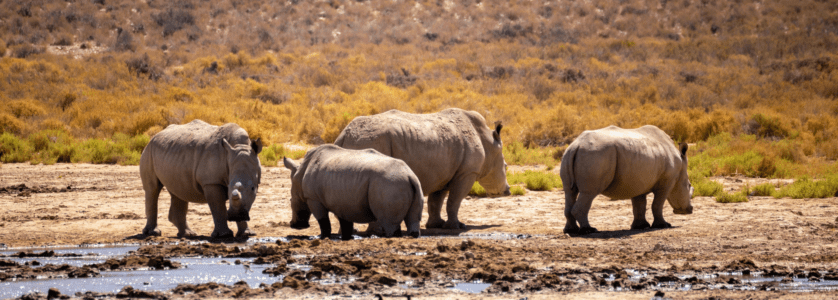
The cornerstone of any rhino-focused safari is the Ziwa Rhino Sanctuary. As the only place in Uganda where you can track southern white rhinos on foot, it serves as a vital breeding hub. By 2026, the Uganda Wildlife Authority (UWA) aims to continue the reintroduction of these majestic creatures into their former strongholds like Murchison Falls National Park (Kuguyo & Gandiwa, 2022).
- What to Expect: Expert rangers lead you through the savannah to within 30 feet of these 2-ton giants.
- Sustainability Impact: Fees directly fund the 24-hour armed security required to protect the herd from poaching (Kuiper et al., 2025).
- Diversifying Your Uganda Safaris & Tours
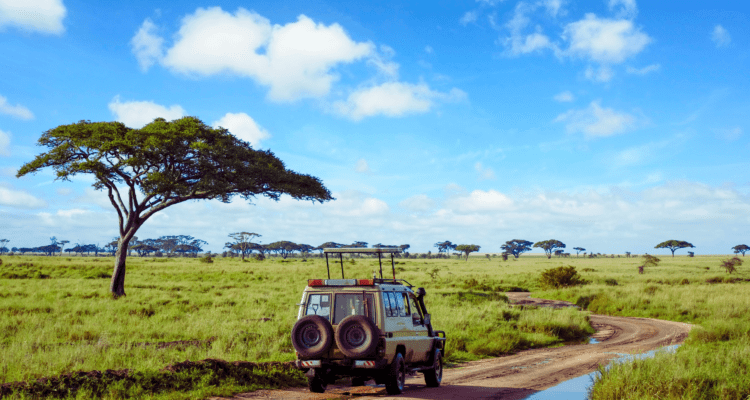
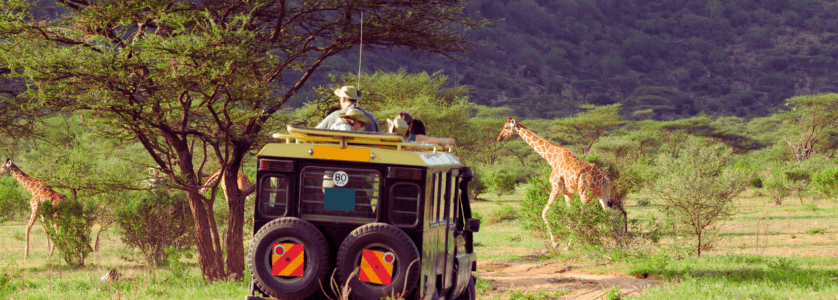
While rhinos are a highlight, a comprehensive uganda safaris & tours itinerary in 2026 bridges the gap between classic savannah drives and deep-forest trekking.
- Murchison Falls National Park: Witness the world’s most powerful waterfall and spot the rare Shoebill stork in the nearby Nile deltas.
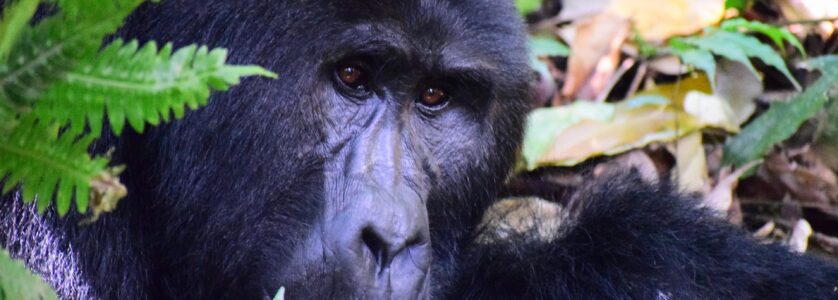
- Kibale National Park: Known as the primate capital, Kibale uses “beehive fences” and tea buffers to mitigate human-wildlife conflict, ensuring that your visit supports local farmers rather than displacing them (Kolinski & Milich, 2021).
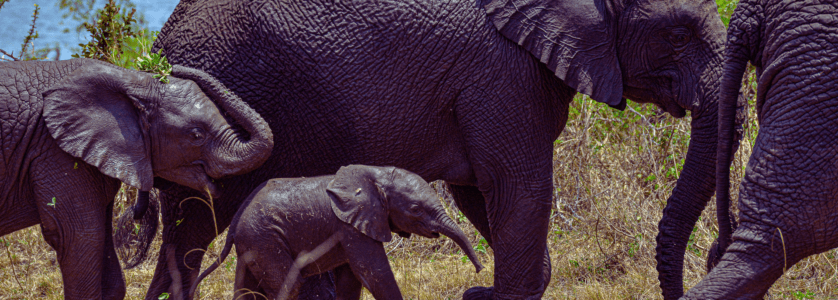
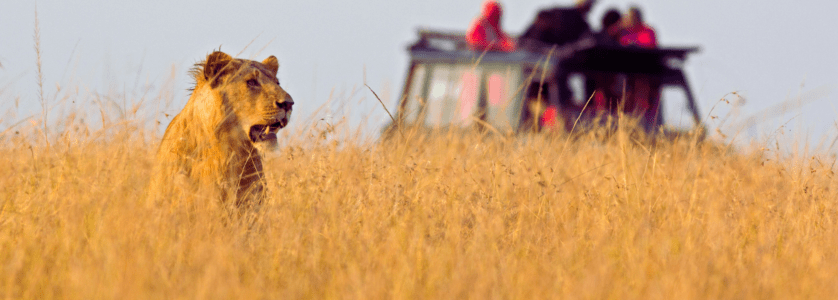
- Queen Elizabeth National Park: Famous for tree-climbing lions and the Kazinga Channel boat cruise, this park is a masterclass in bio-diversity.
- The 2026 Sustainable Travel Model
Uganda’s “Green Tourism” model is at the heart of the 2026 vision. This initiative focuses on “socioeconomic sustainability,” ensuring that tourism linkages foster local gastronomy and businesses (Goffi et al., 2020). When you book uganda safaris & tours, look for operators who:
- Employ local guides from park-adjacent communities.
- Use eco-lodges powered by renewable energy.
- Support the “One Health” approach, which integrates human, animal, and environmental health (FAO/IAEA, 2023).
SEO Deep Dive: Why Visit Uganda in 2026?
| Feature | Impact on Your Safari | Sustainable Benefit |
| Community Conservation | Authentic cultural interactions. | Reduces poaching by providing alternative livelihoods (Kolinski & Milich, 2021). |
| Limited Permits | No overcrowding; intimate wildlife viewing. | Minimizes environmental stress on fragile ecosystems. |
| Infrastructure Growth | Smoother travel between national parks. | Improved access to healthcare and markets for locals (Kahangirwe & Vanclay, 2024). |
Top Searchable FAQs for 2026 Safaris
Q: Is it safe to trek rhinos on foot in Uganda?
A: Yes. Under the guidance of highly trained UWA rangers at Ziwa Rhino Sanctuary, trekking is safe. Rangers monitor the rhinos’ behavior constantly to ensure a respectful and secure distance is maintained.
Q: What is the best time for Uganda safaris & tours in 2026?
A: The dry seasons—June to August and December to February—are ideal for wildlife viewing. However, the “green season” (March–May) offers lush landscapes and better rates for eco-conscious travelers.
Q: How does my safari help prevent poaching?
A: A portion of every park entry fee and permit cost goes toward ranger salaries, community revenue sharing, and high-tech surveillance. Research shows that poaching probability is significantly lower near active tourism lodges and main roads (Kuiper et al., 2025).
Q: Can I see the “Big Five” in Uganda?
A: Absolutely. By combining a visit to Ziwa (Rhinos) with Murchison Falls or Queen Elizabeth Park (Lions, Leopards, Elephants, and Buffaloes), you can check off the entire list in a single trip.
Conclusion: Your Footprint Matters
Choosing uganda safaris & tours for your 2026 adventure is an investment in the planet’s future. By prioritizing sustainable practices, you ensure that the roar of the lion and the steady breath of the rhino continue to echo across the Albertine Rift for generations to come.
Are you ready to plan your ethical adventure?
I can help you draft a 10-day “Green Safari” itinerary or find the best eco-lodges near the rhino sanctuary.
Contact Details