For more than a decade, I’ve watched the sunrise over the mist-covered peaks of the Virungas and listened to the rhythmic chatter of the Kigali markets. Rwanda has evolved from a hidden gem into one of the world’s most sophisticated and sought-after travel destinations. If you are researching a safari in Rwanda, you aren’t just planning a vacation; you are preparing for a profound encounter with a landscape and a people that have mastered the art of resilience and conservation.
While a Safari Uganda Safari offers a rugged, vast wilderness adventure, Rwanda provides an intimate, boutique experience where the logistics are seamless and the distances are short. Here is everything you need to know to plan your first journey to the “Land of a Thousand Hills.”
Why Rwanda is the Choice for 2026
In 2026, the global travel focus is on “Slow Safari”—the idea of staying longer in one place to truly connect with the environment. Rwanda’s compact size makes this incredibly easy. You can drive from the capital to the gorilla highlands in under three hours, allowing for a pace of travel that is restorative rather than exhausting.
The “Clean & Green” Standard
Rwanda is famous for being the cleanest country in Africa. From the plastic bag ban to the monthly community service known as Umuganda, the national pride in preserving the environment is palpable. This isn’t just about aesthetics; it creates a pristine backdrop for your wildlife encounters that is unmatched elsewhere.
1. Top-Rated Itineraries for First-Timers
Most first-time travelers have about 7 to 10 days. Here is how I recommend structuring your time to see the best of what a safari in Rwanda has to offer.
The “Essential Primates” (5 Days)
- Day 1: Arrival in Kigali. Spend the afternoon at the Kigali Genocide Memorial—a vital step in understanding the country’s heartbeat.
- Day 2: Transfer to Volcanoes National Park. Evening cultural walk at Iby’Iwacu Village.
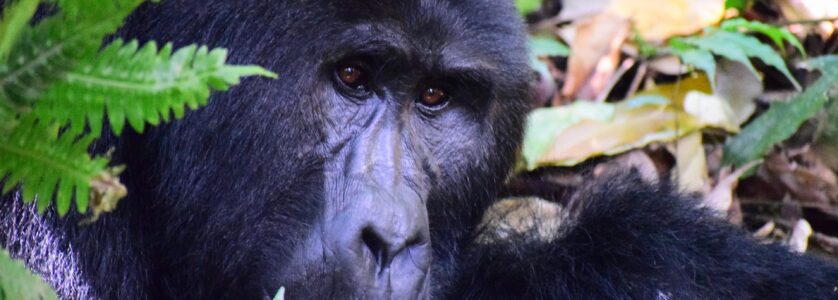
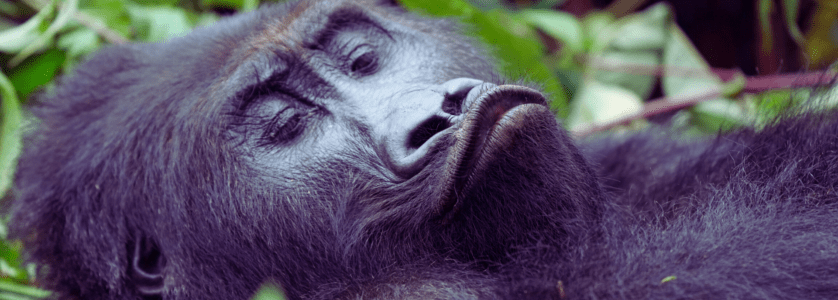
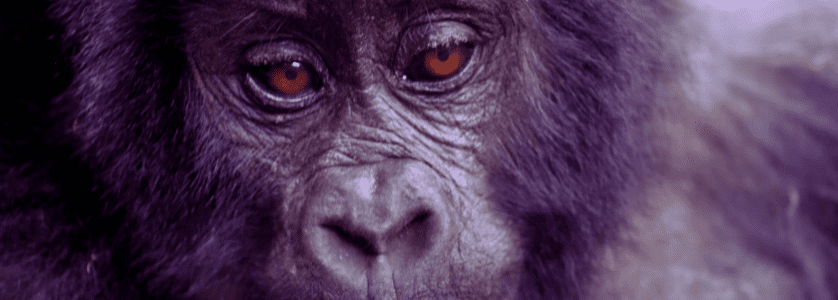
- Day 3: Gorilla Trekking. This is the “big one.” Spend an hour with a mountain gorilla family.
- Day 4: Golden Monkey Tracking or a hike to the Diane Fossey tomb.
- Day 5: Return to Kigali for your departure.
The “Full Rwanda Circuit” (10 Days)
If you have more time, adding the savannah and the ancient rainforest provides a complete picture of the country.
- Days 1-2: Kigali exploration and transfer to Akagera National Park for a Big Five safari and a boat cruise on Lake Ihema.
- Days 3-5: Drive to Volcanoes National Park for Gorilla and Golden Monkey trekking.
- Days 6-8: Head south to Nyungwe Forest. Experience the high-altitude Canopy Walk and track habituated chimpanzees.
- Days 9-10: Relax on the shores of Lake Kivu in Rubavu or Karongi before heading back to the capital.
2. Expert Tips for a Seamless Experience
As a veteran in East African travel, these are the “insider” details that can make or break your trip.
The Permit Logistics
Gorilla permits in Rwanda are currently $1,500 USD. This is a significant investment, but it covers park entrance, armed rangers, and the tracking team.
- Pro Tip: In the 2026 season, permits are booking out 8 months in advance for the dry seasons (June–September). If you are traveling during the wet season (March–May), ask your operator about potential discounts, which are occasionally offered to promote “Green Season” travel.
Packing for the Rainforest
A safari in Rwanda involves a lot of vertical movement.
- Gaiters & Gloves: Do not skip these. Gaiters keep ants out of your boots, and gardening gloves allow you to grab onto branches (and stinging nettles) without injury while climbing.
- Layering: The mornings in the Virungas are biting cold, but by noon, the equatorial sun is intense. Lightweight, moisture-wicking layers are your best friend.
The Tipping Etiquette
While tipping is not mandatory, it is highly expected in the safari industry. A general rule of thumb:
- Trekking Rangers: $20 per trekker.
- Porters: $15–$20 (highly recommended—they do the heavy lifting and support the local economy).
- Safari Driver/Guide: $10–$15 per day, per person.
3. Editorial Policy and Research Research Integrity
Our travel guides are built on a foundation of first-hand field experience and up-to-date data.
- Direct Vetting: We only recommend lodges and operators that we have personally visited within the last 18 months.
- Sustainability Focus: We prioritize “Conservation-First” lodges that demonstrate a clear link between guest revenue and local community development.
- Accuracy Guarantee: Permit prices and visa regulations are cross-referenced with the Rwanda Development Board (RDB) and IATA travel requirements monthly.
- No Hidden Agendas: We do not accept payment for “Top Rated” status. Recommendations are based solely on service quality and ethical standards.
Frequently Asked Questions (FAQ)
1. Is Rwanda safe for solo female travelers?
Rwanda is consistently ranked as one of the safest countries in the world. Solo travelers, including women, find the country exceptionally welcoming. The tourism infrastructure is professional, and the “Umuganda” culture fosters a safe, community-oriented environment.
2. Do I need a visa before I arrive in Kigali?
For most nationalities, including citizens of the USA, UK, and EU, you can obtain a 30-day tourist visa on arrival for $50 USD. However, if you are also planning a Safari Uganda Safari, the East Africa Tourist Visa ($100) is the better value, as it allows multiple entries between Rwanda, Uganda, and Kenya.
3. How difficult is the gorilla trek?
The difficulty varies by “family.” Some gorilla groups live near the park edge and can be found in 45 minutes. Others require a 4-hour hike through thick brush and steep terrain. When you are at the morning briefing, be honest with your rangers about your fitness level; they are excellent at matching trekkers to suitable groups.
4. Can I see the “Big Five” in Rwanda?
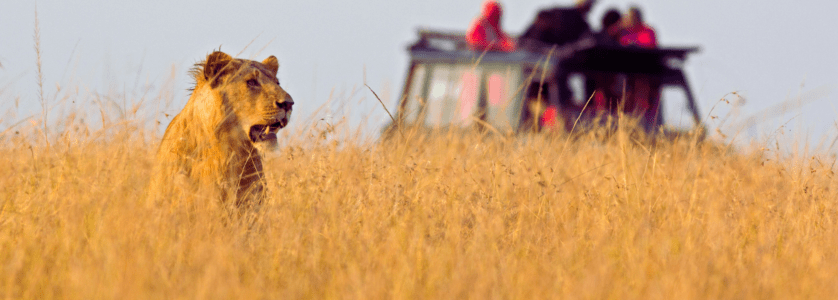
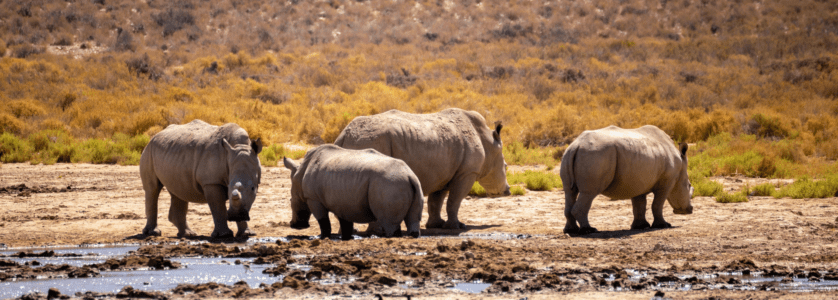
Yes! While known for primates, Akagera National Park has successfully reintroduced lions and black rhinos. Today, it is a fully functioning Big Five park. It is less crowded than the Serengeti or Maasai Mara, offering a much more private game-viewing experience.
5. What is the best way to get around Rwanda?
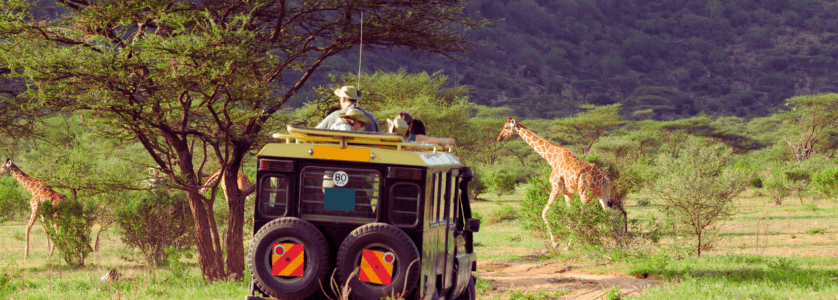
The roads in Rwanda are among the best in Africa—paved, winding, and incredibly scenic. While you can rent a car, I always recommend a chauffeur-driven 4×4 from a reputable operator. Navigating the mountain hairpins and local traffic is much more relaxing when handled by a professional.
Your Next Step in the Land of a Thousand Hills
Rwanda is a place that touches your heart. Whether it’s the eye contact with a Silverback or the sunset over Lake Kivu, the memories made here are permanent.
Contact Details