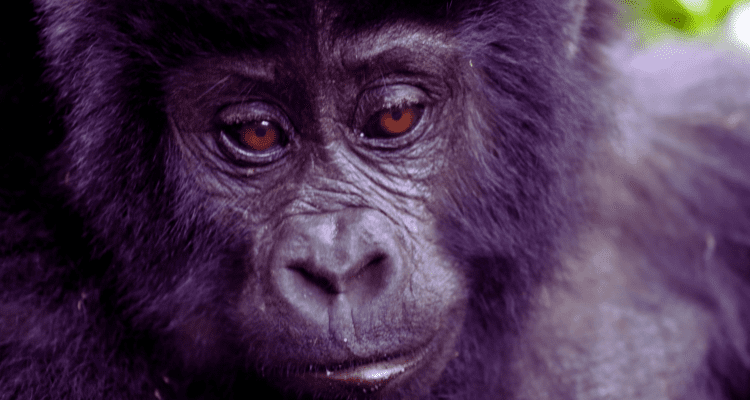
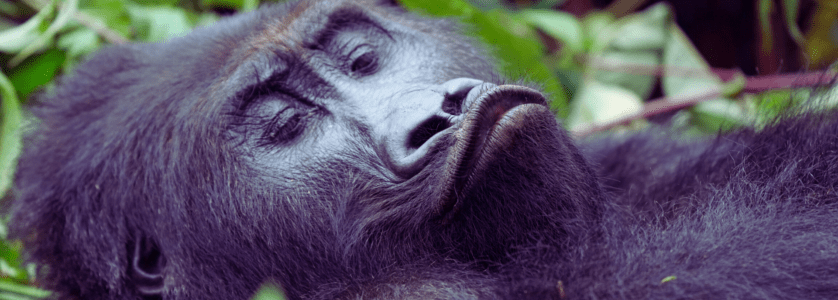
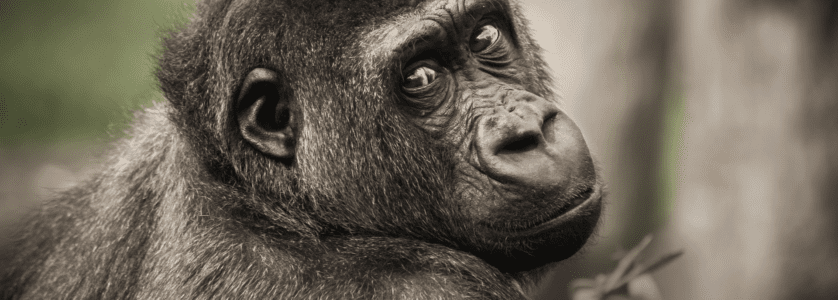
There is a specific kind of silence that only exists deep within the Bwindi Impenetrable Forest. It’s a prehistoric quiet, broken only by the rustle of giant ferns or the distant hoot of a L’Hoest’s monkey. But nothing quite prepares you for the moment the foliage parts and you find yourself lock-eyed with a 400-pound Silverback.
If you are reading this, you’ve likely felt the pull of the “Pearl of Africa.” Whether it’s the allure of the great apes or the vast savannahs of Queen Elizabeth National Park, planning Uganda tours and safaris is an adventure in itself. As someone who has spent over a decade navigating these trails, I’m here to help you move past the brochures and into the heart of the experience.
Why Uganda is the Soul of African Safaris
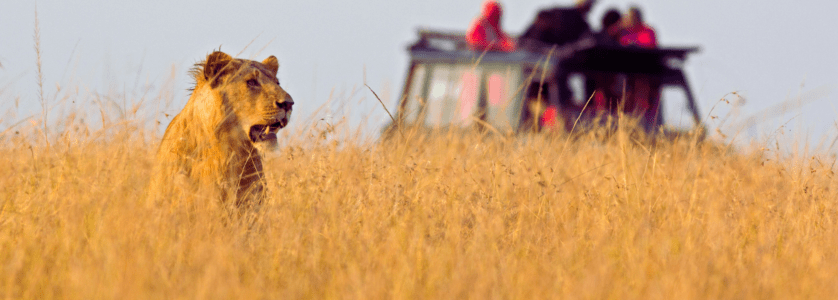
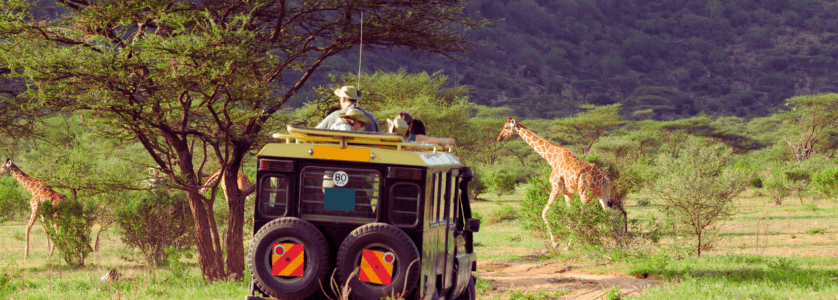
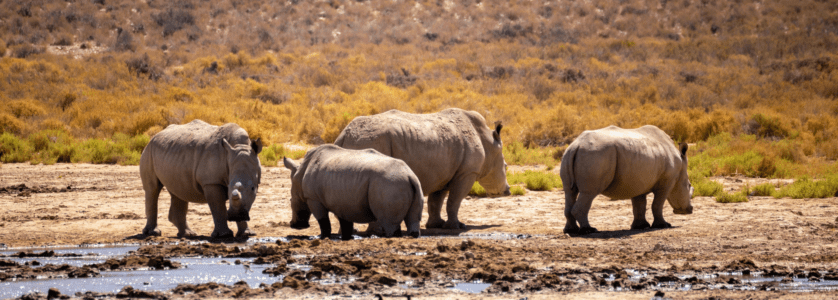
While neighboring countries offer vast plains, Uganda offers intimacy. It is one of the few places on earth where you can watch lions prowl in the morning and trek through rainforests in the afternoon. Uganda gorilla tours are the undisputed crown jewel, but the country’s versatility is what keeps travelers coming back.
From the thunderous Murchison Falls, where the entire Nile squeezes through a seven-meter gap, to the tree-climbing lions of Ishasha, a Uganda safari tour is a masterclass in biodiversity.
Master Your Gorilla Trekking: What You Need to Know
Gorilla trekking in Uganda is more than a hike; it’s a conservation success story. But logistically, it requires precision.
- The Permit Factor: You cannot simply show up. Permits are capped at 8 people per habituated family per day. During peak seasons (June–September and December–February), these sell out months in advance.
- Choosing Your Sector: Bwindi has four main sectors—Buhoma, Ruhija, Rushaga, and Nkuringo. If you prefer a slightly less strenuous hike, Buhoma is your best bet. For those seeking raw, dramatic vistas and a physical challenge, Nkuringo is spectacular.
- The “Habituation” Option: If one hour isn’t enough, consider the Gorilla Habituation Experience in Rushaga. You get four hours with the gorillas, participating in the process of making them comfortable around humans.
Designing the Perfect Uganda Safari Packages
When looking at uganda safari packages, don’t just count the days—look at the “dead time.” Many travelers make the mistake of trying to see the whole country in five days. Uganda is mountainous, and road travel takes time.
- The 3-Day Express: Ideal for those coming from Rwanda or on a tight schedule, focusing solely on Bwindi or Mgahinga.
- The 7-Day Classic: This is the “sweet spot.” It usually includes Chimpanzee trekking in Kibale (the primate capital of the world), a wildlife safari in Queen Elizabeth National Park, and the grand finale: the gorillas.
- The 12-Day Grand Circuit: For the true explorer, this adds the remote Kidepo Valley—often voted the most picturesque park in Africa—and the Source of the Nile in Jinja.
The Expert’s Packing List: Don’t Leave Without These
Most people pack for a “hot” Africa. In the rainforest, it’s a different game.
- Garden Gloves: Sounds strange? You’ll be grabbing onto thorny vines and stinging nettles for balance. You’ll thank me later.
- Gaiters or Long Socks: Tucking your trousers into your socks is the ultimate “safari chic” move to prevent fire ants from joining your trek.
- Lightweight Waterproofs: Even in the dry season, Bwindi earns its “Impenetrable” name with sudden tropical mists.
Why Local Expertise Matters
Choosing a partner for your Uganda gorilla safaris & tours isn’t just about the vehicle. It’s about the guide who knows the name of every bird species and can spot a leopard tail twitching in a thicket from 100 yards away. At Safari Uganda Safaris, we focus on creating narratives, not just itineraries. We ensure your footprint supports the local communities, which is the only way to ensure these majestic creatures survive for another generation.
Frequently Asked Questions (FAQ)
- How much does a Uganda gorilla permit cost in 2025/2026?
As of current regulations, a gorilla trekking permit for foreign non-residents is $800. For those looking for the more immersive Habituation Experience, the cost is $1,500. These funds go directly toward park maintenance and gorilla conservation.
- What is the best month for Uganda tours and safaris?
The dry seasons (June to August and December to February) are best for trekking as the trails are less slippery. However, the “green season” (March–May) offers lush photography opportunities and sometimes lower lodge rates.
- Is it better to see gorillas in Uganda or Rwanda?
Uganda is generally more budget-friendly. While Rwanda’s Volcanoes National Park is closer to the airport, Uganda offers a more diverse “all-in-one” safari experience with its variety of savannah parks and lower permit costs.
- How fit do I need to be for gorilla trekking in Uganda?
You don’t need to be an athlete, but you should be able to walk for 3–6 hours on uneven, muddy terrain. Rangers are excellent at pacing the group, and you can always hire a porter to help with your gear.
- What should I wear on a Uganda safari tour?
Neutral colors (khaki, green, tan) are best for the savannah. For the forest, long-sleeved shirts and trousers are essential to protect against insects and scratches. Avoid bright blue or black, as these colors attract Tsetse flies.
Editorial Policy & Research Standards
At Safari Uganda Safaris, our content is built on first-hand experience and up-to-date field data. We collaborate with the Rwanda Development Board (RDB) and local conservationists to ensure all information regarding permit pricing, park regulations, and wildlife safety is accurate. We prioritize ethical wildlife viewing, adhering to the “7-meter rule” to protect gorillas from human diseases, and we only recommend lodges that demonstrate a commitment to environmental sustainability and local community empowerment.
Contact Details