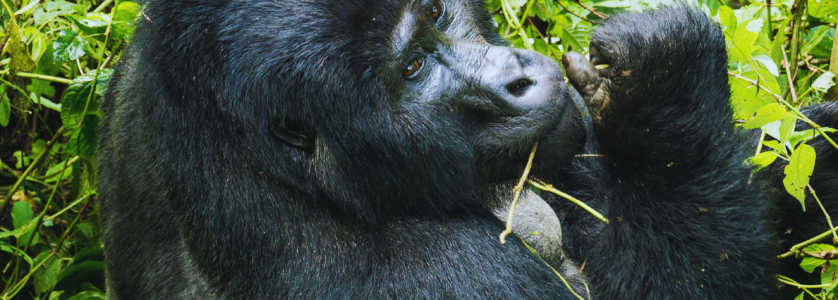
Bringing a drone into Rwanda without proper governmental clearance is the fastest way to get your expensive gear seized at Kigali International Airport.
You’ve likely spent months organizing premium gorilla safaris Rwanda offers. You packed your DJI Inspire or Mavic 3 Pro specifically to capture the mist rolling over the dramatic peaks of Volcanoes National Park. But standing at customs while officials permanently confiscate your rig because you missed a single step in the local aviation paperwork ruins the entire production. Ignorance of the law is never an excuse here; the bureaucracy is incredibly stringent, and unauthorized flights carry massive fines or potential jail time.
Stop guessing. If you are planning high-end safaris in Rwanda focused on aerial cinematography, you cannot wing this process. We facilitate complex photographic expeditions across East Africa, and we know exactly what it takes to secure legal clearance. This masterclass breaks down the unredacted timeline, actual commercial costs, and rigorous regulations required to legally fly a drone in Rwanda.
The Reality of Aerial Filming on a Rwanda Safari
Rwanda is a leader in drone technology (think Zipline medical deliveries), which means their airspace is highly regulated. The Rwanda Civil Aviation Authority (RCAA) and the Ministry of Defense (MINADEF) jointly govern all unmanned aerial vehicles.
Recreational flying? Effectively banned for tourists.
If you want to fly, you must apply as a commercial entity or a registered media professional. You are navigating a multi-agency vetting process designed to protect national security and wildlife. Attempting to bypass this by hiding a drone in your checked luggage is a critical mistake. X-ray scanners at Kigali International Airport catch them daily, resulting in immediate confiscation until your departure, if you are lucky.
Step-by-Step Commercial Drone Permitting Timeline
Do not start this process two weeks before your flight. Securing a commercial filming permit takes a minimum of 30 to 45 days. Here is the unvarnished timeline of a successful application.
Phase 1: Pre-Approval and Local Sponsorship (Weeks 1-2)
You cannot apply in a vacuum. You need a registered local sponsor, usually your official ground handler or a registered Rwandan production company.
- Draft the Letter of Intent: Write a formal letter detailing the exact dates, specific coordinates of your shoot, flight altitudes, and the make/model/serial number of your drone.
- Secure the Sponsor Letter: Your local partner drafts a supporting document taking joint responsibility for your activities.
- Submit Media Accreditation: Send your credentials, passport copies, and equipment list to the Rwanda Media Commission (RMC) for press accreditation.
Phase 2: RCAA and Ministry of Defense Vetting (Weeks 3-5)
Once the RMC clears your project, the technical vetting begins.
- RCAA Submission: File the official UAS (Unmanned Aircraft System) application with the RCAA. You must provide your home country’s drone pilot license and proof of liability insurance.
- MINADEF Clearance: The RCAA forwards your file to the Ministry of Defense. This is the black box of the process. They will review your flight paths to ensure you aren’t pointing cameras at military installations, government buildings, or sensitive border zones.
- Final Certificate Issuance: Upon MINADEF approval, the RCAA issues the final clearance certificate. Do not board your flight without this PDF on your phone and printed out.
Actual Cost Breakdown: What You Will Pay
Budgeting for aerial filming permits is often murky. Government fees are fixed, but the logistical facilitation required to move the paperwork across desks is not. Here is a realistic breakdown of what a commercial drone permit actually costs for a standard 7-day shoot.
| Expense Category | Estimated Cost (USD) | Purpose & Details |
| Media Accreditation (RMC) | $30 – $50 | Required base-level press clearance per crew member. |
| RCAA Drone Registration | $100 – $150 | Official government fee for logging your specific drone serial number. |
| Airspace Use Fee | $50 – $100 | Varies based on the weight class of your drone and flight duration. |
| National Park Filming Fees | $4,000 – $5,000+ | Crucial: If flying over Volcanoes, Akagera, or Nyungwe, the Rwanda Development Board (RDB) charges massive premiums for commercial filming on top of standard permit costs. |
| Local Fixer / Expediter | $300 – $600 | Paying a professional to physically walk your papers between ministries and secure signatures. |
Note: If your drone weighs over 25kg, the fees and insurance requirements increase exponentially.
Red Zones: Where You Absolutely Cannot Fly
Even with a pristine RCAA permit in hand, certain areas remain strictly off-limits during any Rwanda safari.
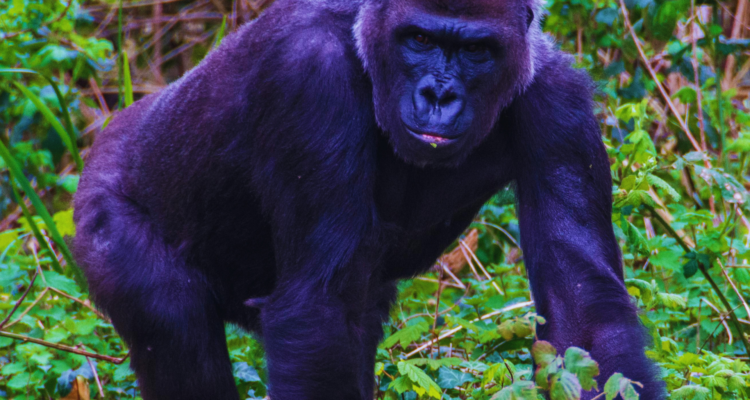
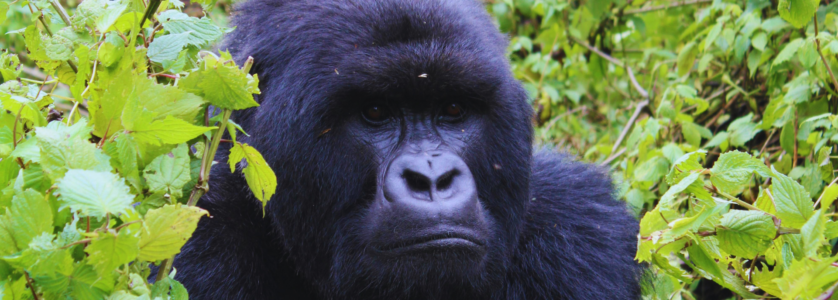
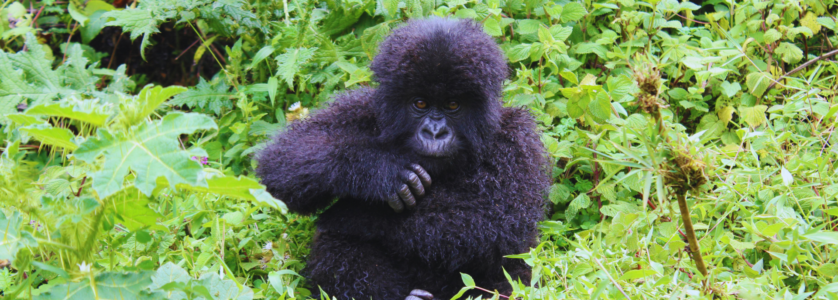
- Volcanoes National Park (Direct Gorilla Flights): You generally cannot fly a drone directly over the mountain gorillas. The noise causes immense stress to the primates and can provoke aggressive silverback charges. You may get permission to film establishing landscape shots of the Virunga Massif from a distance, but micro-proximity wildlife tracking is universally rejected.
- Kigali City Limits: The capital is tightly restricted. Flying near the airport, the Presidential Palace, military bases, or the Kigali Genocide Memorial will result in immediate arrest.
- Border Zones: Maintain a massive buffer from the borders of the Democratic Republic of Congo (DRC) and Burundi.
Surviving Airport Customs
When you land in Kigali, declare the drone immediately. Hand the customs officer your printed RCAA clearance, your MINADEF approval letter, and your equipment manifest. Do not act nervous; you have done the paperwork. They will verify the serial number on your drone against the paperwork. Once it matches, you are free to begin your shoot.
Frequently Asked Questions (FAQs)
Can I get a permit for a small sub-250g drone like a DJI Mini?
Weight does not exempt you from the law in Rwanda. Even a 249g DJI Mini requires full RCAA registration and Ministry of Defense clearance. There are no “toy” loopholes.
What happens if I forget to apply and bring my drone anyway?
Customs will seize the drone at the airport. You will be issued a receipt, and the drone will be held in storage for the duration of your trip. You can retrieve it on your departure day, but you will pay a daily storage fee.
Do I need a Rwandan drone pilot to fly my gear?
No. As long as you submit a valid commercial drone pilot license (like an FAA Part 107 from the US or a CAA flyer ID from the UK) during the application process, you are permitted to operate the drone yourself.
Will the Rwanda Development Board (RDB) let me film the gorillas if I pay enough?
The RDB occasionally grants highly specific, heavily monitored aerial permits to massive production companies (like BBC or National Geographic) for documentary work, but standard commercial operators or YouTubers are routinely denied direct wildlife overflights to protect the animals. Expect to use your drone strictly for landscape and lodge establishing shots.