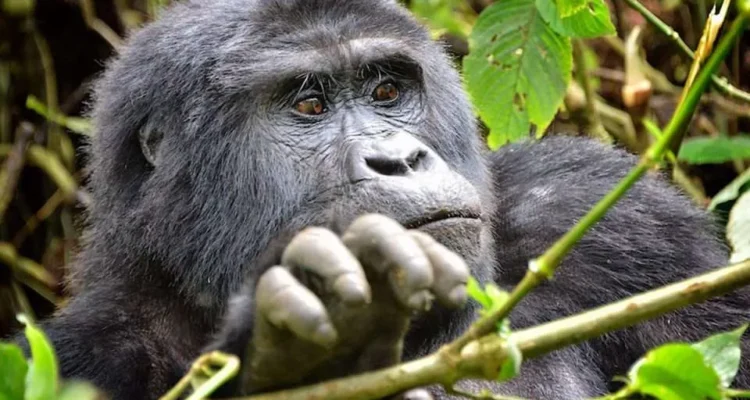
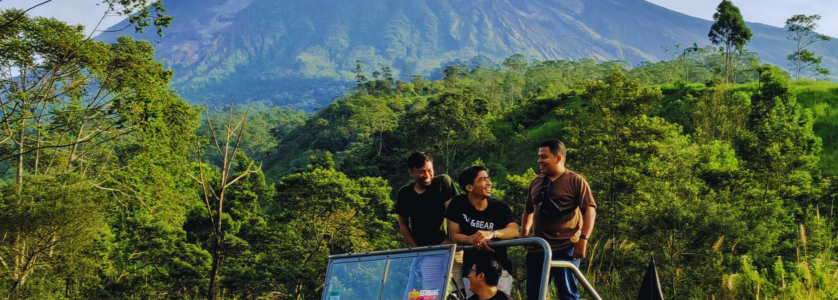
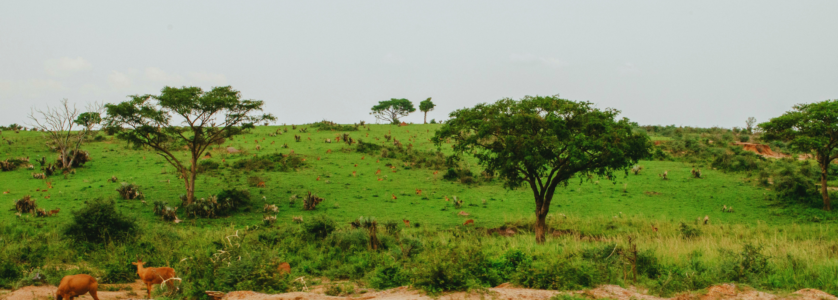
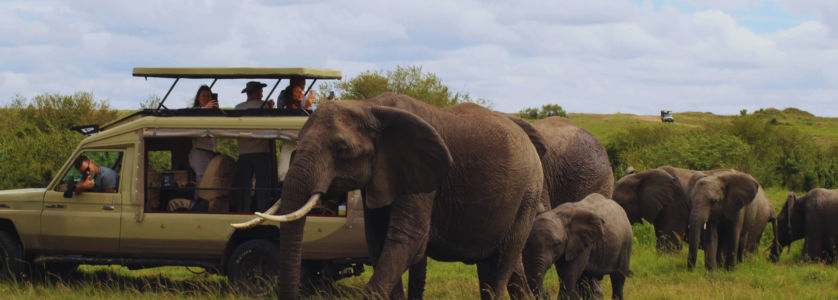
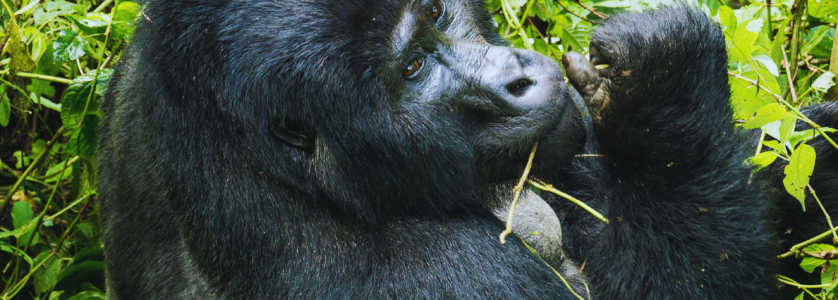
For successful Uganda gorilla tours, pack lightweight, moisture-wicking layers, sturdy waterproof hiking boots, heavy-duty gardening gloves to protect against thorny vegetation, and a reliable waterproof daypack. The dense terrain of Bwindi Impenetrable Forest requires specialized gear that shields you from unpredictable rain, deep mud, and stinging nettles while keeping you comfortable during strenuous, hours-long treks. After 15 years of planning African expeditions, I can assure you that your packing list will make or break your time with the silverbacks. The jungle environment is entirely different from a standard savanna vehicle safari. You need to dress for utility, not fashion.
Here is everything you need to know to pack like a pro.
From the Trail: A First-Hand Observation
Last year, I accompanied a group on a comprehensive Uganda safari tour. Despite my packing guidelines, one client opted for standard running shoes instead of high-top waterproof hiking boots, assuming the trail would be like a national park in the US.
Within 30 minutes of entering Bwindi, we hit a patch of deep, wet mud, and their shoes were instantly waterlogged. They spent the next four hours hiking with wet, blistered feet, completely distracting them from the majesty of the gorillas. Proper footwear on a safari in Uganda is never optional; it is your primary defense against the unpredictable jungle floor.
Essential Clothing for Uganda Tours and Safaris
The weather in Uganda’s tropical rainforests fluctuates wildly. According to the Uganda Wildlife Authority, Bwindi sits at an elevation between 1,160m and 2,607m and receives up to 1,500mm of rain annually.
You must prepare for morning chills, intense midday humidity, and sudden downpours.
- Long-Sleeved Shirts (2-3): Choose neutral colors (khaki, green, brown) in moisture-wicking fabrics to protect against sun and insects.
- Lightweight Trekking Trousers (2 pairs): Avoid jeans at all costs; if they get wet, they will never dry in the jungle humidity.
- Waterproof Rain Jacket: A breathable, lightweight shell is mandatory, even during the dry season.
- Thick Merino Wool Socks: Bring extra pairs to prevent blisters and tuck your trousers into them to stop safari ants from biting your ankles.
- Gardening Gloves: You will frequently need to grab branches and vines to pull yourself up steep inclines, many of which have thorns.
Gear and Equipment for Safaris in Uganda Africa
Beyond clothing, your daypack needs to carry specific survival and comfort items. Your porters can carry your main bag, but you are responsible for your immediate needs on the trail.
- Waterproof Daypack: To protect your camera gear and extra layers from sudden rainstorms.
- Reusable Water Bottles: Trekking is exhausting, and you will need at least 2-3 liters of water per person.
- Insect Repellent: Look for formulas with high DEET concentration to ward off mosquitoes and tsetse flies.
- Camera with Extra Batteries: Flash photography is strictly forbidden, so ensure your camera performs well in low-light forest conditions.
Quick Comparison: Packing Rights and Wrongs
| Item Category | Do Pack (Gorilla Trekking) | Do NOT Pack (Leave at Home) |
| Footwear | Broken-in, waterproof hiking boots with ankle support | Sneakers, sandals, or brand-new stiff boots |
| Colors | Khaki, olive, brown, muted earth tones | Bright colors (reds, yellows), camouflage (illegal for civilians), dark blue/black (attracts tsetse flies) |
| Legwear | Durable, water-resistant hiking pants | Denim jeans, shorts, yoga pants |
People Also Ask: Uganda Safaris & Tours FAQ
What is the best time of year for Uganda safaris & tours?
The most optimal times to trek are during the two dry seasons: from June to August, and from December to February. While rain is always possible in the rainforest, the trails are generally drier, making the steep inclines easier to navigate.
Can I wear shorts during a gorilla trek?
No, wearing shorts is highly discouraged during any gorilla trek. The forest is full of stinging nettles, thorny vines, and biting insects like safari ants. Long trousers tucked into thick socks are the best way to protect your legs.
Do I need walking sticks for my Uganda gorilla tours?
While you do not need to pack your own walking sticks, they are highly recommended. Local guides and porters at the trailhead will provide you with carved wooden walking sticks, which are essential for maintaining your balance on muddy, uneven terrain.