
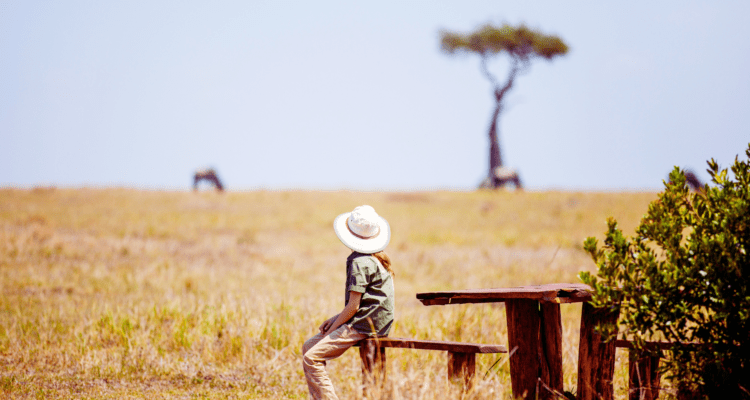
For decades, seasoned travelers have whispered about a place where the sun rises over misty mahogany forests and sets across golden savannahs teeming with the “Big Five.” That place is Uganda. If you are looking for safaris in Uganda Africa, you aren’t just looking for a vacation; you are seeking a transformative encounter with the rawest form of nature left on our planet.
As someone who has spent over 15 years navigating the rugged trails of Bwindi and the winding currents of the Victoria Nile, I can tell you that Uganda offers an intimacy with wildlife that is increasingly rare in the more “commercialized” safari circuits of East Africa. In this guide, we will explore the iconic routes that make a Safari Uganda Safari the gold standard for authentic African adventure.
Why Uganda is Currently Outpacing Its Neighbors
While Kenya and Tanzania often grab the headlines for the Great Migration, Uganda has quietly become the destination of choice for “slow travel” enthusiasts. The trend in 2025 and 2026 is moving away from crowded parks and toward immersive, ethical experiences. Uganda’s unique geography—sitting at the crossroads of the East African savannah and the West African jungle—means you can see a lion in the morning and a chimpanzee in the afternoon.
1. The Primate Pilgrimage: Bwindi and Kibale
No discussion of safaris in Uganda Africa is complete without mentioning the mountain gorillas. This is the crown jewel of African travel.
Bwindi Impenetrable National Park
Bwindi isn’t just a park; it’s an ancient ecosystem that survived the last ice age. Trekking here requires a decent level of fitness and a sense of wonder. When you finally crest a ridge and see a Silverback lounging amidst the ferns, the world stands still.
- Pro Tip: Always book your permits at least 6 months in advance. The 2025/2026 seasons are seeing record-high demand as travelers prioritize bucket-list conservation experiences.
Kibale Forest: The Primate Capital
If Bwindi is about quiet reverence, Kibale is about high-octane energy. This forest holds the highest density of primates in Africa. Tracking habituated chimpanzees here is a masterclass in social biology. You’ll hear them before you see them—a cacophony of hoots and pant-grunts that echoes through the canopy.
2. The Classic Savannah: Queen Elizabeth and Murchison Falls
For those who want the traditional “Out of Africa” experience, Uganda’s savannah parks deliver with a unique twist.
Queen Elizabeth National Park (QENP)
QENP is home to the famous tree-climbing lions of Ishasha. Witnessing a 400-pound cat balanced precariously on a limb of a fig tree is a sight you won’t find in many other places.
- The Kazinga Channel: Don’t miss the boat safari here. It offers some of the best birdwatching in the world and brings you within meters of massive hippo pods and basking crocodiles.
Murchison Falls: Where the Nile Explodes
At Murchison Falls, the world’s longest river is squeezed through a tiny seven-meter gap in the rocks. The sheer power of the water is humbling. A safari here combines river cruises with game drives where you can spot Rothschild giraffes, elephants, and Cape buffalo.
3. The Hidden Gem: Kidepo Valley
If you want to escape the 21st century entirely, head north to Kidepo Valley National Park. It is often ranked as one of the best wilderness areas in Africa by seasoned experts. Because of its remote location on the border of Sudan and Kenya, you will often feel like you have the entire park to yourself. The landscapes are vast, rugged, and hauntingly beautiful.
Planning Your 2026 Uganda Safari: Expert Advice
To make the most of your journey, you need to consider the logistics that many “automated” travel sites overlook.
When to Go
Uganda is a year-round destination, but if you are focused on trekking, the dry seasons (June to August and December to February) are best. The trails are less slippery, and the wildlife tends to congregate around water sources, making sightings more predictable.
Ethical Travel and Conservation
Your visit directly funds the protection of endangered species. Uganda’s conservation model relies heavily on tourism revenue to pay rangers and support community projects that reduce poaching. By choosing a Safari Uganda Safari, you are a silent partner in one of the world’s most successful wildlife comeback stories.
Getting Around: Fly-In vs. Road Trip
While “The Pearl of Africa” has improved its road infrastructure significantly, the distances can still be long.
- Fly-In Safaris: Ideal for those with limited time. Domestic flights connect Entebbe to Bwindi, Kidepo, and Murchison Falls.
- Road Safaris: Best for those who want to see the “real” Uganda—the vibrant markets, the terraced hills of Kigezi, and the smiling faces of the local people.
Editorial Policy and Research Integrity
Our content is built on a foundation of “boots-on-the-ground” experience. We prioritize:
- Direct Observation: Every recommendation comes from actual field experience within the national parks.
- Verified Data: We use the latest permit pricing and safety updates from the Uganda Wildlife Authority (UWA).
- Community Impact: We only highlight lodges and operators that demonstrate a clear commitment to local Ugandan communities and sustainable eco-practices.
- No Hyperbole: While we love Uganda, we provide realistic expectations regarding travel times, weather, and the physical demands of trekking.
Frequently Asked Questions
1. Is it safe to go on a safari in Uganda right now?
Yes. Uganda remains one of the most stable tourism destinations in East Africa. The national parks are heavily patrolled by the Uganda Wildlife Authority (UWA) and tourism police. As with any international travel, it is wise to stay updated on local news, but the primary safari circuits (Bwindi, Queen Elizabeth, Murchison) are very secure.
2. How much does a gorilla trekking permit cost in 2025/2026?
As of current 2025/2026 guidelines, a gorilla trekking permit for foreign non-residents is $800 USD. For East African residents, it is $700 USD. This fee includes park entrance, the trekking guides, and the security team. It is significantly more affordable than Rwanda’s $1,500 permit, making Uganda the preferred choice for many.
3. What is the “best” park for a first-time safari in Uganda?
For a first-timer, a combination of Murchison Falls (for the Nile and Big Five) and Bwindi Impenetrable Forest (for Gorillas) provides the most iconic “Uganda” experience. If you have more than 10 days, adding Kibale for chimpanzees creates a perfect “Primate and Predator” circuit.
4. Can children go on a gorilla trek?
The minimum age for gorilla trekking in Uganda is 15 years old. This is strictly enforced for safety and conservation reasons. However, many lodges offer child-friendly “bush craft” activities and shorter nature walks for families traveling with younger children in parks like Lake Mburo.
5. What should I pack for a Uganda safari?
Beyond the standard safari khaki, you need specific gear for the jungle:
- Long, sturdy trousers and long-sleeved shirts (to protect against stinging nettles and insects).
- Gaiters or tucked-in socks.
- Waterproof hiking boots with good grip.
- Gardening gloves (helpful for gripping vegetation during steep climbs).
- A lightweight rain poncho, as it can rain at any time in the rainforest.
Conclusion:
There is a reason Winston Churchill called this country the “Pearl of Africa.” It isn’t just about the animals; it’s about the soul of the place. Whether you are standing at the source of the Nile or looking into the deep brown eyes of a mountain gorilla, a Safari Uganda Safari changes you.
As you plan your journey, remember that the best stories aren’t found in a guidebook—they are found on the dusty tracks and forest paths of Uganda. We look forward to seeing you in the wild.
Contact Details
- Company Name: Safari Uganda Safaris
- Official Website: www.safariugandasafaris.com
- Address: Plot 1958, Bweya Kanyigo, Along Kajjansi Bweya Lutembe Rd, Near Westminster Christian Institute, Uganda.
- Email: info.primeugandasafaris@gmail.com
- Phone / WhatsApp: * (+256) 414-532-162 (Office)
- (+256) 773-912-891 (WhatsApp)
- (+256) 702-123-064 (Mobile)
- (+256) 702-181-380 (Emergency)
More posts for you

Over 300 excellent reviews on TripAdvisor
Over 50 excellent reviews on Safaribookings.
Over 50 excellent reviews on Safaribookings.
12+ years of experience.
Best price guarantee.

Cate

Samuel
Speak to a safari specialist to plan your customized Uganda safari and East African tours...
Get top notch safari advice: Call us or schedule a video meeting with our experts.