Here are the best Congo tourist attractions to add to your trip.
Gorilla Species in Congo: Mountain Gorillas, Western, and Eastern Lowland Gorillas
Congo is home to some of the rarest and most iconic gorillas in the world — and they’re a major reason people come here.
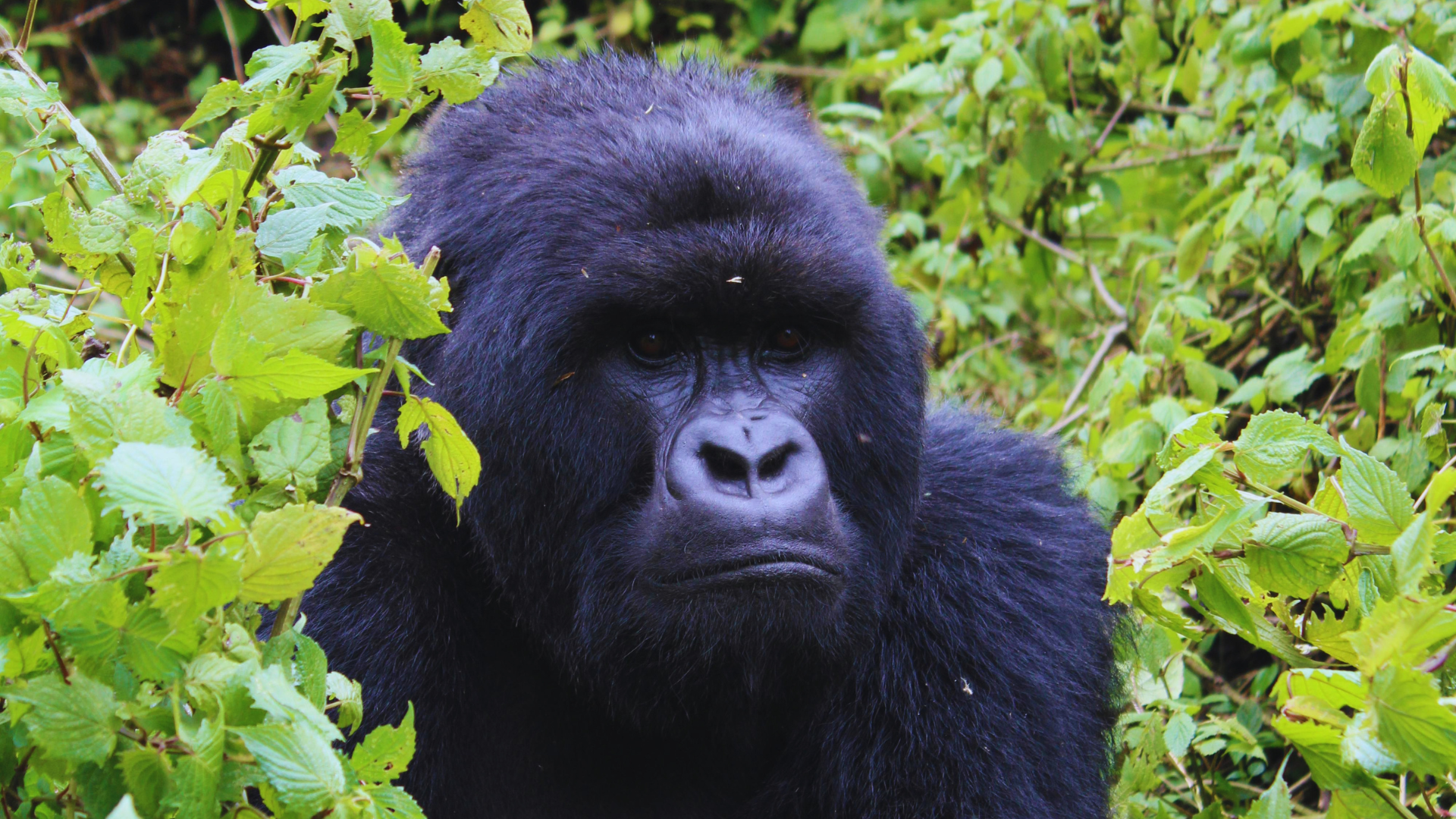
Mountain Gorillas

Most live in Virunga National Park in the DRC, and they’re a huge draw for travelers. They’re famous for being calm and gentle, with powerful silverbacks leading the groups. Trekking to see them in the wild is something you’ll never forget.
Eastern Lowland Gorillas (Gorilla beringei graueri)
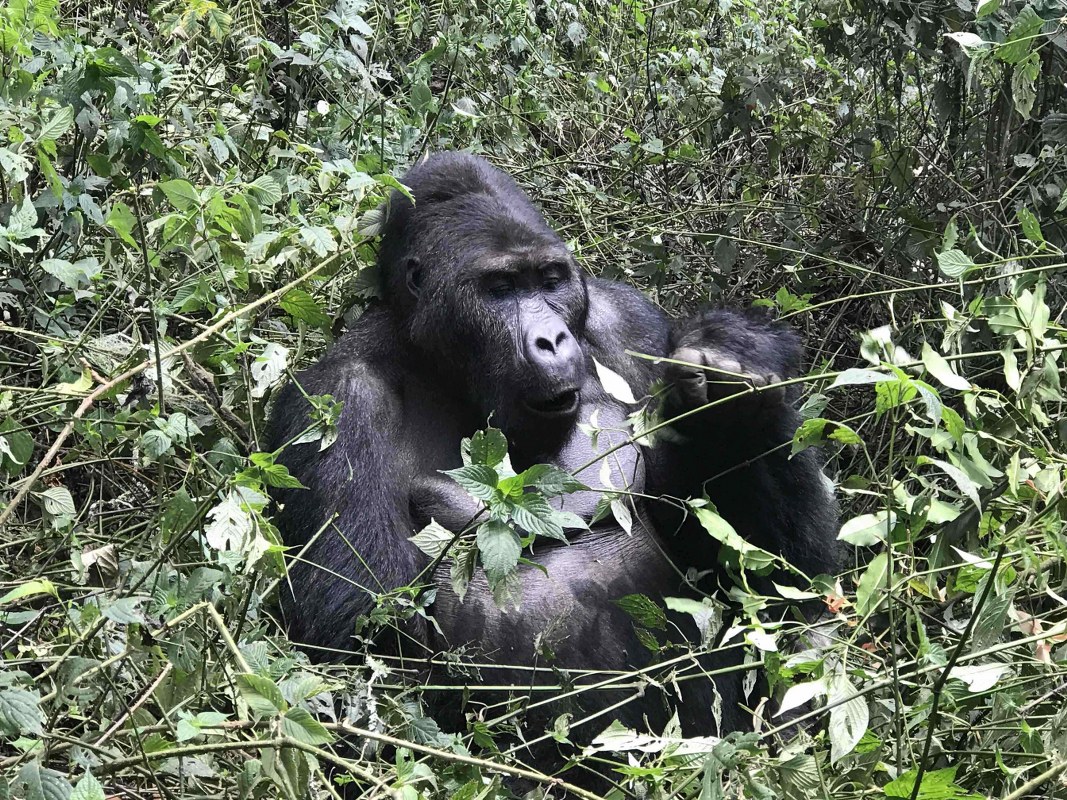
Also called Grauer’s gorillas, these live in the forests of Kahuzi-Biega National Park.
They’re the largest gorilla subspecies, and only about 5,000 remain in the wild — all in the DRC. This park is one of their last strongholds.
You can also meet Grauer’s gorillas at the Dian Fossey Gorilla Fund International Congo Sanctuary, which cares for orphaned eastern lowland gorillas, and at the Gorilla Rehabilitation and Conservation Education Center (GRACE), where gorillas rescued from poachers are rehabilitated.
Western Lowland Gorillas
The Republic of Congo’s dense forests shelter Gorilla gorilla gorilla. They’re shy and harder to spot, but vital to the ecosystem.
Specialized guided tours in remote reserves like Odzala National Park give you a chance to see them.
They’re critically endangered due to poaching, civil conflict, and are listed on the IUCN Red List.
To see any of these gorillas, you’ll need a Congo gorilla permit — around $400. Treks are led by trained guides through thick forest.
Once you find a group, you get one hour with them. It’s a life-changing hour on any Congo gorilla safari.
Other Outstanding Wildlife Species in the Congo (e.g., Forest Elephants, Huge Chimps, Bonobos, etc.)
Congo isn’t just about gorillas. The wildlife here is diverse and incredible — a major highlight of any Congo wildlife tour.
Forest Elephant
Smaller and more elusive than savannah elephants, forest elephants move through the dense jungle. They’re key to keeping the forest healthy.
Eastern Chimpanzees
Chimpanzees, our closest primate relatives, are among Congo’s most fascinating animals.
Bonobos (Inhabiting Only the Congo DRC)
Known as the “hippie apes,” bonobos live peacefully in Salonga National Park — Africa’s largest tropical rainforest reserve. They’re found only in the Congo Basin.
Okapi
The elusive okapi has giraffe-like legs and zebra stripes. It lives only in the Ituri Forest within the Okapi Wildlife Reserve. It’s one of the rarest mammals on earth.
Other wildlife you might see: Tshuapa red colobus monkeys, bongo, salonga monkeys, colobus monkeys, African slender-snouted crocodile, and more.
You’ll encounter many of these on Congo wildlife safaris, along with other primates and wild animals.
Stunning Bird Species in Congo
Congo’s forests and wetlands are full of exotic birds — a major draw for birders visiting on birding tours.
Look for vibrant toucans, colorful kingfishers, forest hornbills, and other kingfisher species along the Congo River.
Rare forest birds abound, too. Many species here are still poorly known, making Congo a hidden gem for ornithology lovers. The diversity is remarkable, with plenty of unique to this vast rainforest.
Virunga Volcanoes in A UNESCO World Heritage Site in Congo (Nyiragongo, Nyamuragira, etc.)
The Virunga Mountains include some of Africa’s most dramatic volcanoes. The DRC is home to several of the eight Virunga volcanoes — Nyiragongo, Mikeno, Nyamuragira, and others — all worth seeing on a Congo tour.
Mount Nyiragongo
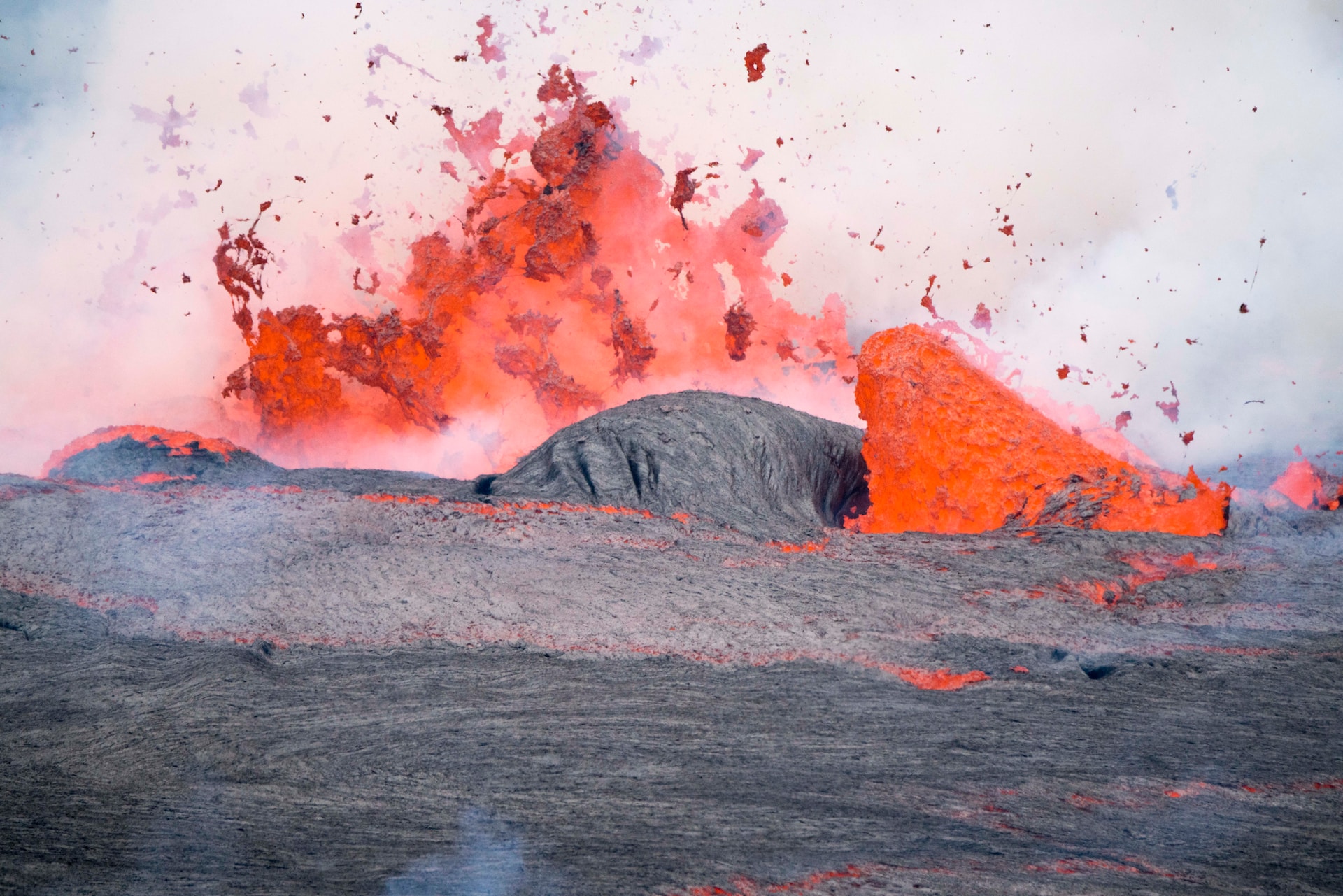
This active volcano in Virunga National Park is world-famous for its massive lava lake — the largest on earth.
It has a long history of eruptions. The two-day hike to the summit is tough but thrilling, ending with mesmerizing views of glowing lava.
Mount Nyamuragira
Nyamuragira is also extremely active. It’s one of Africa’s most eruptive volcanoes and it’s always reshaping the land around it.
Mount Mikeno
Mikeno isn’t as active as the others, but it’s a beautiful backdrop and safeguards important gorilla habitat.
The DRC has other volcanic peaks too — Mount Sabyinyo, Mount Gahinga, Mount Karisimbi, Mount Muhabura, and Mount Bisoke.
All together, these volcanoes make for amazing adventure travel and unforgettable wildlife experiences.
The Congolese People in the Democratic Republic and the Republic of Congo
The people of Congo are a lively blend of ethnic groups, cultures, and traditions — and meeting them is a highlight of any cultural tour.
Indigenous communities like the Mbuti pygmies have lived in the forest for thousands of years.
They hold on to ancient ways of life and share their deep forest knowledge with visitors during tracking and conservation work.
In cities such as Kinshasa and Brazzaville, you’ll find vibrant music, art, and a strong sense of community.
Congolese hospitality is warm and genuine, and it makes every visit stick with you.
Congo Forests (E.G., The Congo Rainforest, the Ituri, etc.)
You can’t talk about Congo attractions without the forests. The Congo Rainforest covers huge parts of the Congo Basin.
It’s the second-largest tropical forest in the world — over 1.7 million square kilometers across Central Africa.
It’s a vital ecosystem with stunning biodiversity, including endangered forest elephants, bonobos, and the rare okapi.
These forests are also major carbon sinks, helping regulate the global climate. For ecotourists, they offer true wilderness adventure.
Other key forests: Ituri, Ngiri Forest, Luki Forest, and Mayombe Forest — the latter is known for its wild coast.
Islands, Lakes, Rivers in The Congo (E.G., Lake Kivu, Congo River, And Idjwi Island)
These waterscapes are some of Congo’s most remarkable sights.
The Mighty Congo River
Africa’s second-longest river and the world’s deepest, the Congo River flows through both the DRC and ROC. It’s central to transport, culture, and wildlife, supporting rich ecosystems along its banks.
Lake Kivu
Shared by Rwanda and the DRC, Lake Kivu is one of Africa’s Great Lakes. It’s popular for canoeing, kayaking, fishing, and relaxing after a safari or gorilla trek.
Idjwi Island
In Lake Kivu, Idjwi is Africa’s second-largest inland island, about 340 square kilometers. Around 200,000 people live there, mostly farming. It’s great for hiking and exploring natural beauty.
Other lakes: Edward, Albert, Tanganyika, Mweru, Tumba, Upemba, Mai-Ndombe, etc.
More rivers: Lomami, Luele, Lulonga, Ubangi, Sankuru, etc.
Other islands: Nkombo, Tchegera, Kavala, etc.
Waterfalls In Congo (e.g., Livingstone Falls, Zongo Falls, And Boyoma Falls)
Waterfalls are another fascinating attraction in Congo.
Livingstone Falls
A series of powerful rapids on the Congo River from Malebo Pool to Bas-Congo (Matadi). Dramatic scenery, great for hiking and exploration.
Zongo Falls
About 130 km from Kinshasa, Zongo Falls is a scenic spot where you can hike and swim in natural pools surrounded by lush greenery.
Boyoma Falls
Made up of seven rapids on the Lualaba River — the upper Congo River — Boyoma is one of the largest waterfalls in the world by volume.
It’s a must for adventurous travelers. Visit any of these on your Congo safari for lasting memories.
Sanctuaries and Conservation Areas: Lola ya Bonobo, Okapi Wildlife Reserve, Senkwekwe Gorilla Orphanage, Lwiro, etc.)
Wildlife sanctuaries and conservation areas are must-see stops on a Congo safari.
Lola Ya Bonobo Sanctuary
This unique center cares for orphaned pygmy chimpanzees rescued from the bushmeat trade. Tours teach you about bonobos and conservation work.
Okapi Wildlife Reserve (Home to the Elusive Okapi)
In the Ituri Forest, this UNESCO World Heritage Site covers about 14,000 square kilometers. It’s the only place to see the okapi — a rare, giraffe-like forest animal.
Tracking okapi takes at least three days through dense forest, often with Mbuti pygmy guides who know the forest intimately. That cultural experience alone is special.
Senkwekwe Gorilla Orphanage
The world’s only mountain gorilla orphanage. It cares for mountain gorillas orphaned by poaching or conflict. Lwiro Primates Rehabilitation Center and Serpents du Congo
These facilities provide care and research for Congo’s wildlife. Visit these places for rare, meaningful wildlife encounters.
Tourism Cities in the Congo (Kinshasa and Brazzaville)
Congo’s cities are attractions too.
Kinshasa (the capital city of the DRC)
Kinshasa is a bustling metropolis of nearly 15 million people — Africa’s most densely populated city.
It’s the continent’s second-largest French-speaking city, full of lively markets, a rich cultural scene, and landmarks like the Palais de la Nation and the Roman Catholic Cathedral — two historic buildings worth seeing.
Brazzaville (Republic of Congo)
Just across the Congo River, Brazzaville is calmer. It’s rich in culture with historic buildings and easy access to nature parks. It’s a gateway to Congo’s wilderness.
Other popular cities: Lubumbashi, Bukavu, Pointe Noire, etc. They’re attractions themselves and hubs for reaching other sites.
Congolese Food
Congolese cuisine mixes local ingredients with French and Belgian influences, and it’s an experience all its own.
You’ve got to try beef brochette — tender grilled meat on a skewer — and poulet à la mwambe, chicken cooked in rich peanut sauce.
Staples here are cassava, plantains, fresh spices, and river fish like Nile tilapia. The flavors are bold and fresh, and if you love food, you’ll be in heaven.
Congolese Music
Music is the heartbeat of Congolese culture and a huge reason people fall in love with the country.
Genres like Ndombolo and Congolese rumba are known around the world. The rhythms are infectious and you’ll see people dancing everywhere, especially in Kinshasa.
The country’s artistic spirit comes alive through its music, and no cultural trip feels complete without it.
Religious Sites in Congo
Religion plays a big role in daily life here, with Roman Catholicism being the most common faith.
Don’t miss places like Kinshasa’s Roman Catholic Cathedral and other historic churches.
They reflect how European traditions and local spirituality have blended over time, and they add a deeper layer to your visit.
Kinshasa Marché Central (Central Market)
Kinshasa’s Central Market is busy and colorful. You’ll find fresh produce, traditional crafts, fabrics, and vibrant street life. It’s a great place to meet locals, buy souvenirs, and feel the pulse of daily life in the capital. A must for any safari itinerary.
Historical Buildings and Museums in Congo
Congo’s historical buildings and museums are worth visiting. Highlights include the Palais de la Nation in Kinshasa — an iconic government building.
Museums cover colonial history, natural heritage, and cultural diversity. They help you understand Congo’s complex past and lively present.
MORE DEMOCRATIC REPUBLIC OF CONGO AND THE REPUBLIC OF CONGO ATTRACTIONS
Other places to see: Cathédrale Saint-Pierre in Pointe-Noire, Congo Ocean Railway Museum, the Catholic Cathedral at the Central Market, Palais du Peuple, Musée National de Kinshasa, Diosso Gorge, Pointe-Noire Beach, Ngoyo Beach, Inga Waterfalls, Vallée de la Lufira, and Chutes de Lukaya.
Also check out the University of Kisangani, Laurent Kabila’s Tomb, Académie des Beaux-Arts, Jardin Botanique de Kisantu, and lively markets like Kinkole Fish Market. For beaches and nightlife, try Plage Mondaine, Plage du Peuple, Mvassa Beach, Muanda Beach, and Pointe Indienne.
Nature lovers can visit Congo Bloodhounds, Serpents du Congo, and Symphonies Naturelles. Work with a reputable Congo tour operator or experienced private guide to see all these attractions.
Outstanding Tourist Places, National Parks, and UNESCO World Heritage Sites Hosting Congo Attractions
Congo has some of Africa’s largest and most ecologically important national parks. Many are UNESCO World Heritage Sites, protecting rare species like forest elephants, okapis, bonobos, and Grauer’s gorillas.
Virunga National Park in the Democratic Republic of Congo (Africa’s Oldest National Park)
Founded in 1925, Virunga is Africa’s oldest park and probably its most famous.
In eastern DRC, it’s home to rare mountain gorillas and active volcanoes like Mount Nyiragongo, which has the world’s largest lava lake.
Gorilla tracking is the top activity here — a once-in-a-lifetime chance to see these great apes in the wild.
The park also has chimpanzees, hippos, elephants, and exotic birds.
Kahuzi-Biega National Park in the Democratic Republic of Congo (The Stronghold of Eastern Lowland Gorillas)
This UNESCO World Heritage Site protects eastern lowland gorillas — Grauer’s gorillas — the largest gorilla subspecies.
The park is named after two extinct volcanoes, Kahuzi and Biega. Visitors hike through lush forest to see these elusive gorillas. Eastern lowland gorilla trekking is the main activity here.
Salonga National Park (The Largest Tropical Rainforest Reserve in Africa)
Salonga is a UNESCO World Heritage Site recognized for its thick forests and rare wildlife. It stretches across roughly 36,000 square kilometers in the Congo River Basin.
The park protects dense rainforest and endangered animals like forest elephants and bonobos — our closest relatives in the animal kingdom.
Maiko National Park (Only Park with All Three of Congo’s Endemic Species)
Covering 10,885 km² in the DRC, Maiko is a remote wilderness rich in biodiversity. It’s one of the last strongholds for Grauer’s gorilla.
It’s a key conservation area and global carbon sink, home to Grauer’s gorillas, elusive okapis, Congo peafowl, chimpanzees, and African forest elephants.
Garamba National Park in the Democratic Republic of Congo
Established in 1938, Garamba is one of Africa’s oldest parks and a UNESCO World Heritage Site. It’s known for big savannahs and woodlands in northeastern DRC.
Wildlife includes giraffes, hippos, antelopes, black and white rhinos — the last known population — and around 1,500 African elephants, down from over 20,000 due to poaching.
Garamba offers classic African safari game drives across wide plains and woodlands in a truly Congolese wilderness.
Lomako-Yokokala Faunal Reserve
Near the Congo River, this reserve is famous for wild bonobo sightings — our closest primate relatives.
It’s a remote birdwatcher’s paradise with rich forest wildlife. Getting there involves a flight, a three-day canoe trip on the Congo River, and trekking.
Visitors should be ready for rustic conditions with no modern comforts. Rangers and locals guide early morning bonobo tracking for a rare, intimate look at this fragile ecosystem.
Visit any of these places and experience Congo’s attractions firsthand!
Congo Attractions: Commonly Asked Questions
- Is Congo Good for Tourists?
Yes — if you’re the right type of traveler. Congo is perfect for adventurous, nature-focused people who want remote parks, wild rivers, and real cultural encounters. Outside the major cities, infrastructure is limited.
You’ll want to plan ahead, work with reliable tour operators, and be ready for a few challenges. But honestly, the experience is worth every bit of effort.
- What Is Famous in The Congo? | What Is the Congo Republic Known For?
Congo is known for its jaw-dropping biodiversity, huge rainforests, and powerful rivers you’ll see on safari.
It’s home to the Congo River — the second-biggest river in the world by volume — along with rare animals like lowland gorillas and forest elephants, and UNESCO World Heritage Sites such as Virunga National Park and Nouabalé-Ndoki National Park.
You’ll also find incredible volcanoes like Mount Nyiragongo and rich cultural traditions in both countries.
- What Is Special in Congo?
Congo stands out because of its wild, untouched nature. It has some of Africa’s most pristine ecosystems, including the second-largest tropical rainforest on the planet after the Amazon.
People come for one-of-a-kind wildlife sightings, hikes up active volcanoes, massive waterfalls like Boyoma Falls, and cultural traditions that haven’t been watered down for tourists.
- Why Do Tourists Visit the Congo?
People come to Congo for the big-ticket experiences — trekking with gorillas, cruising the Congo River, going on safaris in national parks, hiking up Mount Nyiragongo, birdwatching, and diving into the local culture.
It’s a destination for travelers who want nature that feels wild and untouched, and a real-deal African safari without the polish.
- What Is a Famous Landmark in The Republic of Congo?
In the Republic of Congo, Odzala-Kokoua National Park is a major standout. Visitors love the huge forest clearings, the chance to spot gorillas, and the stunning birdlife. If you find yourself in Brazzaville, make time for Nabemba Tower and Basilique Sainte-Anne. The basilica’s green-tiled roof and colonial design are hard to forget.
- What Are the Best Places to Visit in Congo?
- Virunga National Park: the DRC’s most famous park, and a prime destination for gorilla trekking and volcano hikes
- Kahuzi-Biega National Park — This is the place to see eastern lowland gorillas (DRC)
- Odzala-Kokoua National Park — Famous for forest elephants and gorillas (ROC)
- Nouabalé-Ndoki National Park — A UNESCO-protected rainforest that still feels wild and untouched (ROC)
- Mount Nyiragongo — Home to the biggest lava lake on the planet (DRC)
- Brazzaville – the cultural and historical heart of the ROC
- Congo River – perfect for river cruising, fishing, and boating
- Garamba National Park, a UNESCO site with rare plants and animals.
- What Are the Most Common Activities In The Congo?
- Trekking to see the mountain and lowland gorilla
- Wildlife Safaris in the National Parks
- Hiking Volcanoes – Mount Nyiragongo is the big one
- Sailing the Congo River
- Birding in the heart of the rainforest
- Cultural tours of Brazzaville and Kinshasa, including visits to groups such as the Mbuti Pygmies, whose traditions date back thousands of years
- Boat rides and fishing trips
- What Is the Best Time to Visit Congo?
The dry seasons are best — May to September and December to February. Roads are more accessible, animals are easier to spot, and trekking is far more comfortable.
- Where To Stay in the Democratic Republic of Congo During Safaris?
You’ve got options for every budget: luxury, mid-range, and budget. Look into Tchegera Island Tented Camp, Lulimbi Tented Camp, Bukima Tented Camp, Mikeno Lodge, Lac Kivu Lodge, and Hotel Lubumbashi.
The Congo Republic has so much to offer — from mountain and lowland gorilla sanctuaries to ancient rainforests, waterfalls, and vibrant markets full of culture. It’s a destination worth exploring any time of year. Ready to go? Contact us now and we’ll help plan your Congo safari. Whether it’s a day trip or a longer adventure, we’ll get you close to Congo’s wild biodiversity and tribal heritage.